
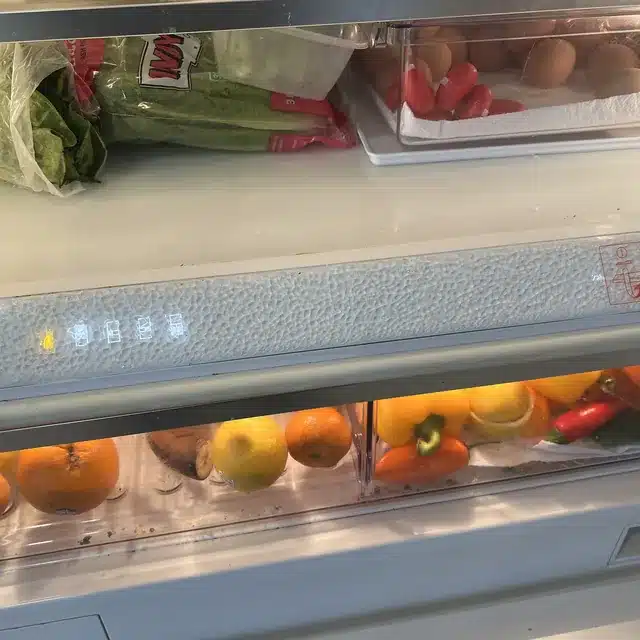
Quick Answer: Fridge maintenance means four habits: clean the condenser coils every 6–12 months, check the door seals monthly, keep the fridge at 3–4°C and the freezer at −18°C, and replace the water filter every 6 months. Those four tasks prevent most breakdowns, keep food safe, and cut electricity use — because a fridge with clean coils and tight seals runs less. Anything involving the sealed cooling system, refrigerant, or electrics is technician-only work.
Your fridge is probably the most overlooked appliance in your home. It hums away 24 hours a day, keeping food fresh and drinks cold, and for most Burnaby residents fridge maintenance isn’t something that crosses their minds until something goes wrong. The importance of regular fridge maintenance goes far beyond avoiding the inconvenience of a breakdown — it’s about saving money, extending your appliance’s lifespan, improving efficiency, and protecting your health.
This guide is a practical refrigerator maintenance checklist for Burnaby homeowners: what to do, how often, and who should do it.
Why fridge maintenance matters so much in Burnaby
Burnaby’s climate and lifestyle patterns play a role in how your fridge operates. With warm summers and periods of high humidity, fridges often work harder to maintain a consistent temperature. Add in the frequent opening and closing of doors in busy households, and you have an appliance that is constantly under pressure.
Three local factors most often shorten fridge life in Burnaby: summer heat waves that make compressors work harder, condo-sized kitchens with restricted airflow around the unit, and pet hair collecting on condenser coils. If any of these apply to your home, check coils and airflow more often than the standard schedule below.
Refrigerator maintenance checklist: how often, and who does it
| Task | How often | Homeowner or technician |
|---|---|---|
| Wipe door seals; check for cracks or warping | Monthly | Homeowner |
| Check fridge (3–4°C) and freezer (−18°C) with a thermometer | Monthly | Homeowner |
| Clean accessible condenser coils | Every 6–12 months | Homeowner (unplug first); technician if coils are sealed in |
| Replace water filter | Every 6 months | Homeowner, per the manual |
| Clear vents; leave airflow space around food | Ongoing | Homeowner |
| Defrost a manual-defrost freezer when ice exceeds 6 mm | As needed | Homeowner |
| Full inspection: fans, thermostat, defrost system, electrical | Annually | Technician |
| Any sealed-system, compressor, or refrigerant work | When diagnosed | Technician only — never DIY |
Safety boundary: this is a maintenance guide, not a repair manual. Sealed-system work (compressors, refrigerant, and sealed tubing) and electrical work are technician-only, so leave those jobs to a qualified technician.
The four tasks that matter most
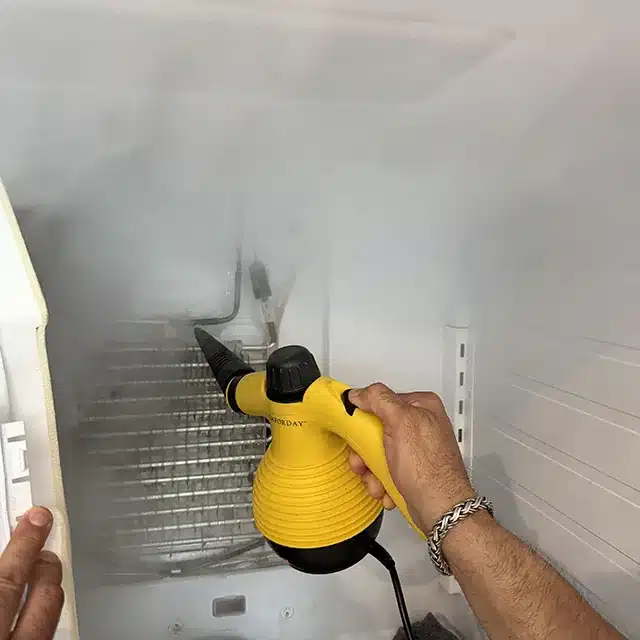
Clean the condenser coils. Dust-covered coils force the compressor to run longer, raising electricity use and shortening the unit’s life. Unplug the fridge first, brush or vacuum the coils gently, and restore power only when you are done. If the coils are sealed inside the cabinet, leave access to a technician. Clean them every six to twelve months, and more often if you have pets or the fridge sits in a dusty spot.
Check the door seals. Close the door on a banknote or a thin piece of paper and try to pull it out. If it slides out easily with little resistance, the seal is weak and cold air is escaping. Also look for cracks, warping, or mould on the gasket, and wipe it clean with warm soapy water. A failing seal raises energy bills and causes frost build-up.
Verify the temperatures. Set the fridge between 3°C and 4°C (37–40°F) and the freezer at −18°C (0°F). Use a standalone fridge thermometer to verify, since built-in displays can be inaccurate. Temperatures above 4°C let bacteria grow faster in perishable food, while colder settings waste energy without improving safety.
Replace the water filter. Most manufacturers recommend every six months, or sooner if water flow slows or tastes off. A clogged filter strains the dispenser and ice maker and can affect water quality. Follow your model’s instructions for the correct cartridge and flush the new filter as directed.
Fridge door repair: seals, gaskets, and repair kits
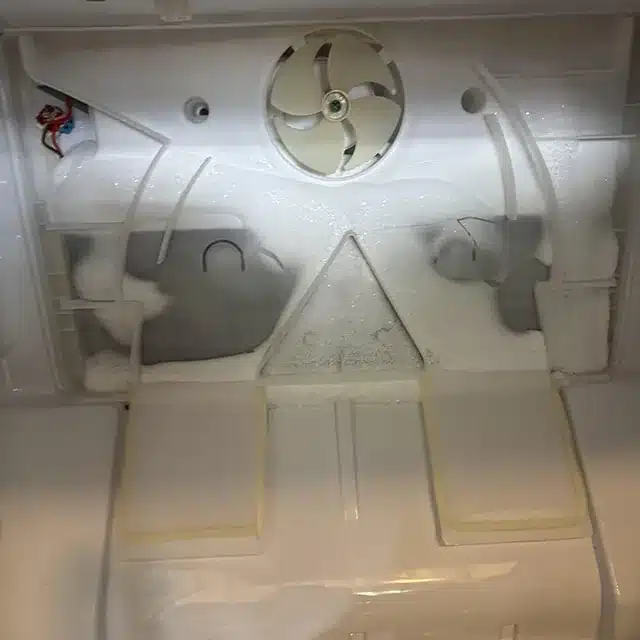
A weak door seal is the most common fridge door repair, and it is also the most overlooked. The gasket is the rubber strip around the door; when it cracks, warps, or loses its grip, warm air leaks in, the compressor runs longer, and frost builds up.
A refrigerator door gasket repair kit or fridge door seal repair kit can help in some cases — universal kits exist — but fit varies by model, and a poorly fitted gasket seals worse than the worn one it replaced. For most homeowners, the reliable route is a technician-fitted gasket matched to the exact model. If the door itself is sagging, misaligned, or won’t close squarely, that is a hinge or alignment job for a technician, not a seal kit.
What maintenance prevents — and what it doesn’t
Good fridge maintenance prevents the slow failures: dirty coils, weak seals, blocked vents, and overdue filters. It does not prevent every fault. A fridge that runs constantly despite clean coils and a good seal may have a faulty thermostat, fan, or compressor control — and questions about fridge compressor repair always start with diagnosis, because a failed start relay or fan can mimic compressor failure. If maintenance checks don’t resolve the fault, see the guide to common refrigerator problems and the top signs your refrigerator needs repair.
When to call a professional
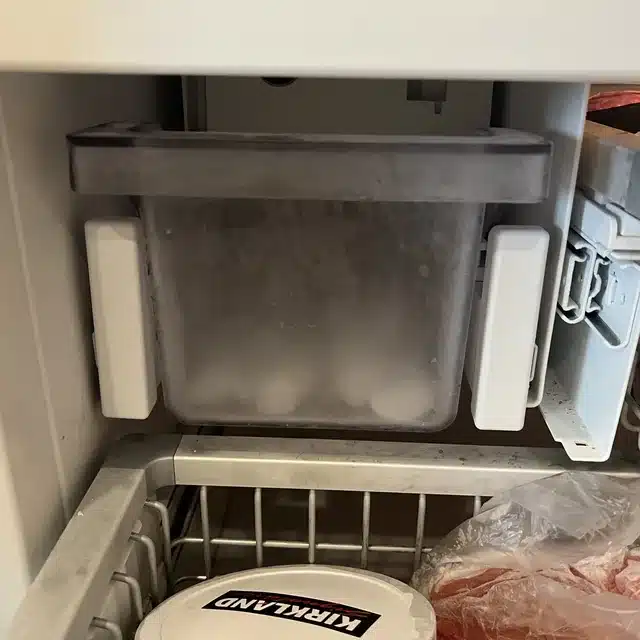
Some fridge issues require expert attention, especially if you notice a persistent loud humming or buzzing, temperature fluctuations despite correct settings, water pooling at the bottom of the fridge, or ice build-up in the freezer. Unsure whether a fault is a DIY job or a technician job? The DIY vs professional fridge repair guide draws the line. If the freezer is cold but the fridge is warm, see why your fridge is not cooling but freezer works.
Diagnosis starts from $95, varies by appliance — call with your make and model to confirm your exact fee before the visit. Repairs are covered by a warranty of 1 week–90 days, set by the technician.
Does maintenance really lower electricity bills?
Yes, measurably. Clean coils, tight door seals, and correct temperatures reduce how hard the compressor works, and a fridge that runs less uses less electricity. BC Hydro publishes household energy-saving guidance that includes refrigeration, and Natural Resources Canada lists efficient models for comparison when replacement time comes. Savings vary by model and age, but neglected fridges are consistently among the costliest appliances to run.
Comfort Appliance Service provides refrigerator repair and installation and annual fridge inspections across Burnaby, Coquitlam, and Vancouver. For home appliance repair that keeps your fridge running efficiently, book refrigerator repair in Burnaby — and keep this checklist on the fridge door.
Frequently Asked Questions
How often should I clean my refrigerator’s condenser coils?
Clean the coils every six to twelve months, and more often if you have pets or the fridge sits in a dusty spot. Dust-covered coils force the compressor to run longer, raising electricity use and shortening the unit’s life. Unplug the fridge first, brush or vacuum the coils gently, and restore power only when you are done. If the coils are sealed inside the cabinet, leave access to a technician.
What temperature should my fridge and freezer be set to?
Set the fridge between 3°C and 4°C (37–40°F) and the freezer at −18°C (0°F). Use a standalone fridge thermometer to verify, since built-in displays can be inaccurate. Temperatures above 4°C let bacteria grow faster in perishable food, while colder settings waste energy without improving safety.
How do I test whether my fridge door seal is still working?
Close the door on a banknote or a thin piece of paper and try to pull it out. If it slides out easily with little resistance, the seal is weak and cold air is escaping. Also look for cracks, warping, or mould on the gasket, and wipe it clean with warm soapy water. A failing seal raises energy bills and causes frost build-up; replacement is a routine technician job.
Why is my fridge running constantly, and is that a maintenance problem?
A fridge that rarely cycles off may have dirty coils, a weak door seal, a blocked vent, or a temperature setting that is too cold — all maintenance issues you can check first. Hot kitchens, frequent door opening, and a fridge packed too tightly also increase run time. If cleaning, sealing, and resetting temperatures do not help, a faulty thermostat, fan, or compressor control may need professional diagnosis.
Sources
- BC Hydro — https://www.bchydro.com/
- Natural Resources Canada — https://natural-resources.canada.ca/
- Government of Canada, Food safety — https://www.canada.ca/en/services/health/food-safety.html
- ENERGY STAR — https://www.energystar.gov/