
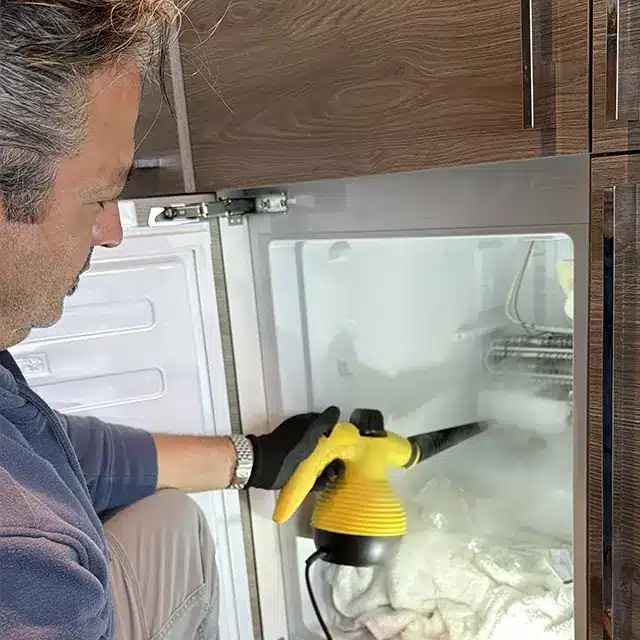
Quick Answer: The most common refrigerator problems are a fridge that won’t cool, frost build-up in the freezer, water pooling on the floor, unusual noises, and an ice maker that stops working. Most start with something simple — dirty condenser coils, a weak door seal, a blocked vent, or a clogged drain — and a few safe checks can confirm it. Anything involving the sealed cooling system, refrigerant, or electrics is technician-only work, so if the basic checks fail, book a diagnosis rather than opening panels.
A refrigerator works 24 hours a day, 7 days a week, so when it falters the stakes are immediate: food safety, not just convenience. Perishable food becomes unsafe after just two hours above 4°C (40°F), which is why a warm fridge is the one fault you should never leave for the weekend. This guide covers the most common refrigerator problems, what causes each one, the safe checks to try first, and how a professional refrigerator repair service fixes what you can’t.
If you want the warning-signs version of this topic — the early signals that a fault is developing — see the top signs your refrigerator needs repair. This post is the problems-and-fixes guide: it starts from the fault you already have.
1. Fridge not cooling properly
This is the most alarming of all common refrigerator problems, especially when it threatens a week’s groceries. The fridge may feel warm inside, or some areas may be colder than others. The usual causes are dirty condenser coils, a failed evaporator fan, a faulty thermostat or control board, or a cooling-system fault.
Start with the safe checks: clean accessible coils, confirm the temperature is set to 3–4°C, check that food is not blocking the vents, and test the door seal. If the freezer is cold but the fridge is warm, the fault is usually airflow between the compartments — see why your fridge is not cooling but freezer works for that specific problem. If cooling does not return after the basic checks, a technician should test the fan, defrost system, and controls.
2. Frost building up in the freezer
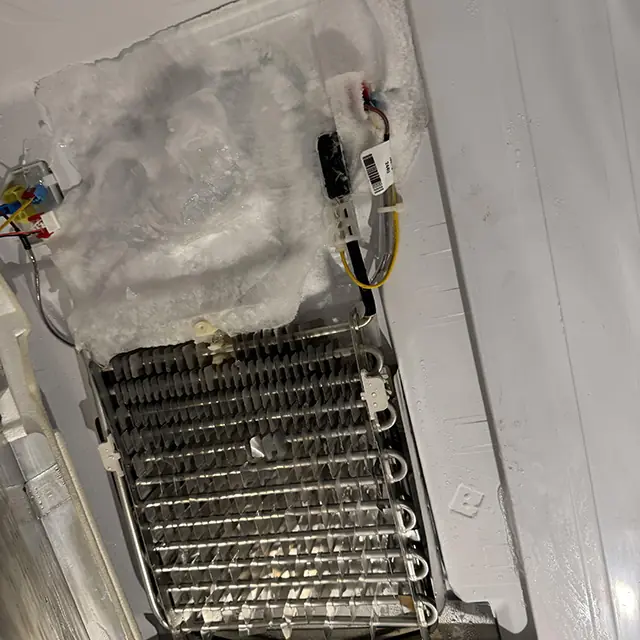
Opening the freezer should not feel like stepping into a snowstorm. Frost build-up usually means warm, humid air is entering through a damaged door gasket, the door is not closing fully, or the defrost system has stopped cycling. Check the seal with the banknote test — close the door on a banknote and try to pull it out; if it slides freely, the seal is weak — and defrost manually as a short-term measure. If frost returns quickly, the defrost heater, timer, or thermostat needs professional testing.
3. Water pooling on the floor
A puddle near the fridge usually comes from a blocked defrost drain, a damaged water line to the ice maker, or a door seal letting humid air condense inside. Mop up promptly to protect flooring, check the seal, and clear any visible drain blockage. If water appears near electrical components, or the leak continues after the basic checks, switch the fridge off and call a technician — water and electrics are not a combination to troubleshoot.
4. Unusual noises
Gentle humming, occasional clicks as the compressor cycles, and soft airflow sounds are normal. Persistent buzzing, loud knocking, or rattling that changes when you open the door usually points to a fan, a compressor mount, or a loose component. Note when the noise happens and whether cooling is affected. Searches for fridge compressor repair usually start with a fridge that hums but never gets cold — but the first step is always diagnosis, because a failed start relay, a stuck fan, or a control fault can all mimic compressor failure, and only testing separates them.
5. Ice maker not working
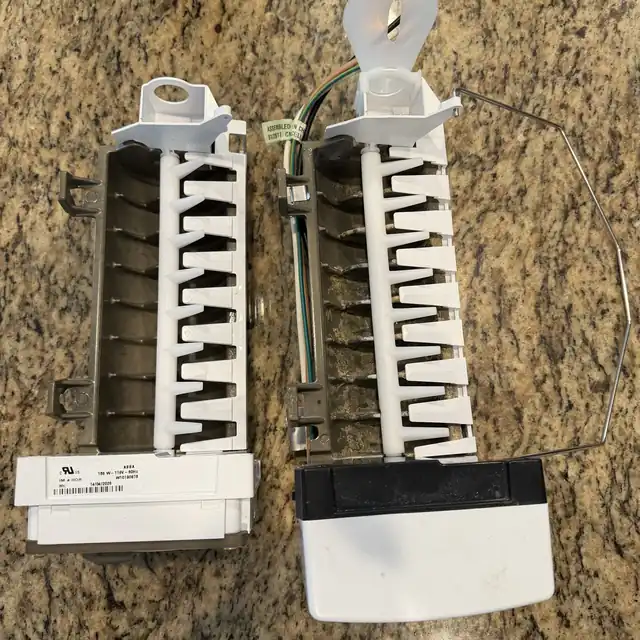
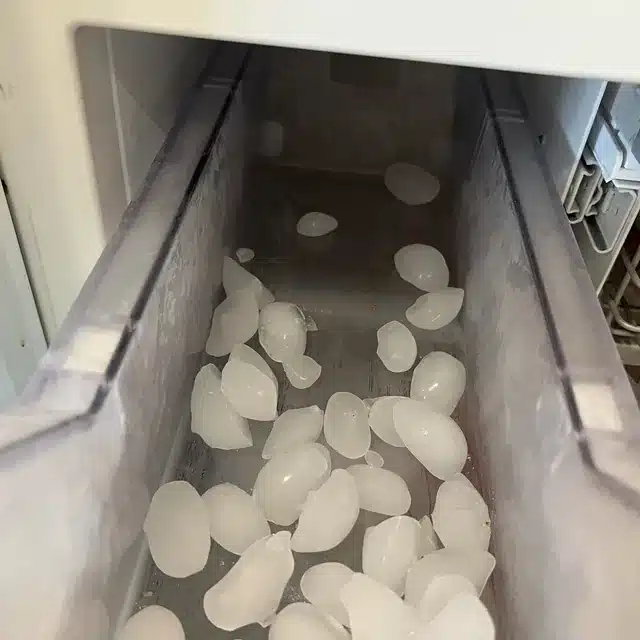
No ice in the bin, or hollow, misshapen cubes, usually means the ice maker is switched off, the water supply is off, the filter is overdue, or the freezer is warmer than −18°C (0°F). A frozen or kinked supply line and a jammed ejector arm are also common. If those checks pass, the inlet valve, ice-maker module, or control may have failed — those are technician repairs.
6. Fridge running constantly
A fridge that rarely cycles off may have dirty coils, a weak door seal, a blocked vent, or a temperature setting that is too cold. Hot kitchens, frequent door opening, and a fridge packed too tightly also increase run time. Clean the coils, check the seal, and reset the temperature first. If the fridge still runs non-stop, a faulty thermostat, fan, or control may need professional diagnosis.
Common refrigerator problems: symptom, likely cause, who fixes it
| Problem | Most likely causes | Homeowner check | Technician fix |
|---|---|---|---|
| Fridge warm, freezer cold | Blocked vents, failed evaporator fan, frosted coils | Vents, temperature setting, door seal | Fan, defrost system, controls |
| Water pooling | Blocked defrost drain, damaged seal, water-line leak | Seal, visible drain, mop up promptly | Drain, valve, line replacement |
| Frost build-up | Weak seal, door ajar, defrost failure | Seal test, door closure, manual defrost | Defrost heater, timer, thermostat |
| Loud or unusual noise | Fan fault, loose mount, cooling-system issue | Note timing; check levelling | Fan, mount, cooling-system diagnosis |
| Ice maker not working | Water off, filter overdue, freezer too warm | Supply, filter, freezer temperature | Inlet valve, ice-maker module |
| Fridge runs constantly | Dirty coils, weak seal, setting too cold | Coils, seal, temperature reset | Thermostat, fan, control diagnosis |
| Food spoiling early | Temperature above 4°C, poor airflow | Thermometer check, airflow space | Cooling-system diagnosis |
Safety boundary: this post explains what technicians do; it does not instruct readers to do sealed-system, refrigerant, or electrical work themselves. Safe homeowner checks are limited to settings, vents, door seals, filters, and cleaning accessible coils.
How professionals diagnose a fridge fault
A professional diagnosis follows a sequence. The technician starts with your description of the symptom, checks power, settings, and airflow, then tests components — the evaporator fan, the defrost system, the thermostat, and the control board — with a multimeter or the manufacturer’s diagnostic mode. A good technician explains which part failed, why it failed, and whether related parts should be replaced at the same visit. Ask for the failed part to be shown to you and keep the written diagnosis with your invoice; it is useful if a warranty claim arises later.
Wondering about timing? See how long does a fridge repair usually take. Unsure whether to attempt a fix yourself? The DIY vs professional fridge repair guide draws the line clearly.
What does it cost to repair a fridge?
Fridge repair cost and refrigerator repair cost both depend on the model, the fault, and the part involved — a door gasket and a control board are very different jobs, so no single figure is honest. Diagnosis starts from $95, varies by appliance — call with your make and model to confirm your exact fee before the visit. You will get a written estimate before any work begins, and repairs are covered by a warranty of 1 week–90 days, set by the technician.
Preventing common refrigerator problems
Most of these faults are preventable. Clean the condenser coils every 6–12 months, check the door seals monthly, keep the fridge between 3–4°C and the freezer at −18°C, replace water filters on schedule, and leave airflow space around food instead of overpacking. The full routine is in the regular fridge maintenance in Burnaby checklist.
If your fridge is acting up in Burnaby or the surrounding area, Comfort Appliance Service is ready to help. For appliance repair that starts with a proper diagnosis, book refrigerator repair in Burnaby with the brand, model, and symptom ready — that information is often the difference between a one-visit fix and a return trip.
Frequently Asked Questions
Why is my refrigerator not cooling but the freezer still works?
The most common causes are blocked airflow between the freezer and fridge compartments, a failed evaporator fan, or heavy frost on the evaporator coils. Check that vents are not blocked by food and that the fridge temperature is set between 3°C and 4°C. If the problem persists, a technician should test the fan, defrost system, and controls.
What causes water pooling under or inside a refrigerator?
Common causes include a blocked defrost drain, a cracked or loose water line, a damaged door seal letting in humid air, or a full drain pan. Check the seal, clear visible drain blockages if accessible, and mop up water promptly. If water appears near electrical components, switch the fridge off and call a technician.
Is a noisy refrigerator always a sign of a serious problem?
Not always. Gentle humming and occasional clicks are normal. Persistent buzzing, loud knocking, or rattling that changes with the door opening usually points to a fan, a compressor mount, or a loose component. Note when the noise happens and whether cooling is affected, then call a technician if it is loud, constant, or paired with warming food.
When should I stop troubleshooting and call a refrigerator technician?
Call immediately if food is warming above 4°C (40°F), you smell burning, breakers trip, water reaches electrical parts, or the fridge has stopped running entirely. Also call when basic checks — settings, vents, seals, filters, and power — do not resolve the fault.
Sources
- Government of Canada, Food safety — https://www.canada.ca/en/services/health/food-safety.html
- Natural Resources Canada — https://natural-resources.canada.ca/
- Samsung Support Canada — https://www.samsung.com/ca/support/
- LG Support Canada — https://www.lg.com/ca_en/support