
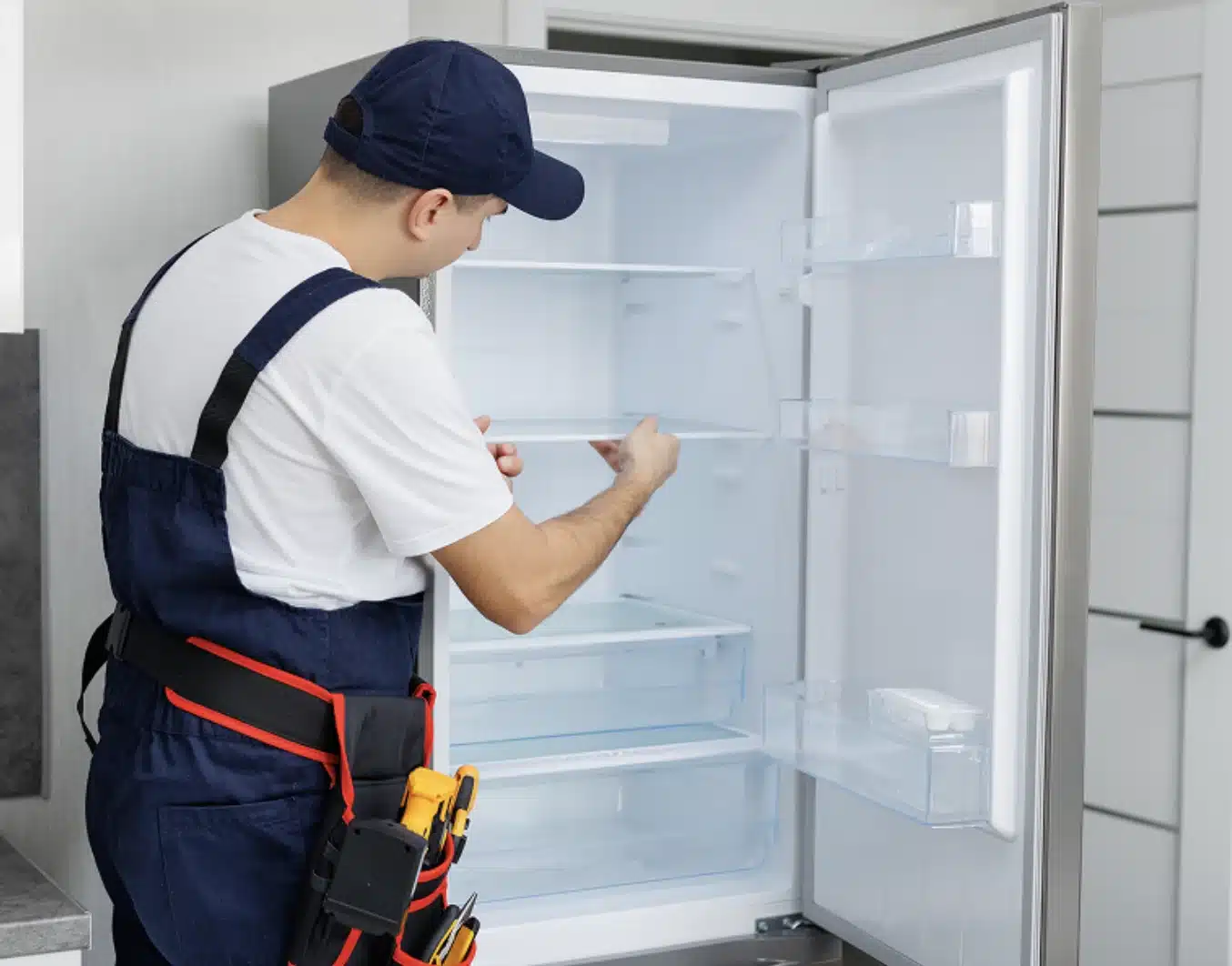
If you think about it, your refrigerator is one of the hardest working members of your household. It runs 24/7, never asking for a break, quietly keeping your milk cold, your vegetables crisp, and last night’s leftovers safe to eat. Yet, for all its loyalty, it’s easy to take it for granted until something goes wrong.
And here’s the tricky part: refrigerators rarely stop working without warning. More often than not, they drop little hints subtle (and sometimes not so subtle) signs that something isn’t quite right. Ignore those signals, and you might find yourself staring into a warm, spoiled mess of groceries while wondering how you missed the clues.
In this guide, we’ll walk through the top signs your refrigerator needs repair, drawing from real world examples, expert insights, and practical tips. By the end, you’ll not only know what to watch for but also how to respond quickly, saving yourself money, time, and a whole lot of frustration.
1. Unusual Noises
A healthy fridge hums quietly in the background. But when that familiar hum turns into rattles, buzzing, clicking, or even loud knocking, it’s worth paying attention.
What’s Normal and What’s Not
- Normal sounds: Gentle humming, occasional clicking as the compressor cycles, soft whooshing of air.
- Warning sounds: Loud buzzing that persists, banging noises, or a constant rattling.
Real world example:
I once had a client who ignored a strange buzzing for two weeks. By the time they called for help, the condenser fan had burned out, leading to a $250 repair when a $40 part replacement could have fixed it earlier.
Possible causes:
- Worn out condenser fan motor
- Loose parts inside the compressor compartment
- Ice buildup around the evaporator fan
Tip: If your fridge suddenly sounds like it’s auditioning for a rock band, call a technician before the performance turns into a breakdown.
2. Food Spoiling Faster Than Usual
One of the top signs your refrigerator needs repair is when your food goes bad before its “best by” date. If milk sours in a couple of days or lettuce wilts overnight, your fridge may not be holding the correct temperature.
Why does this happen?
- Thermostat malfunction
- Failing compressor
- Poor door seal allowing warm air inside
Quick test:
Place a fridge thermometer on the middle shelf. Your refrigerator should stay between 37°F and 40°F (3°C–4°C). Anything warmer, and bacteria growth accelerates.
Pro Tip:
Don’t overload your fridge. Even a perfectly functioning appliance will struggle if air can’t circulate around your food.
3. Excessive Condensation or Frost Buildup
When Too Much Moisture Is a Bad Sign?
If you open the fridge and see water droplets along the walls or ice crystals clinging to your freezer items, your appliance may have a sealing or defrosting issue.
Possible culprits:
- Broken door gasket (seal)
- Blocked defrost drain
- Faulty defrost heater
Story from the field:
A neighbor once assumed frost buildup in her freezer was “normal” because she had an older model. But the buildup was actually blocking airflow to the fridge section, causing uneven cooling. The fix was as simple as replacing a $25 defrost thermostat.
Refrigerator Repair in Burnaby 📃
4. The Motor Runs Constantly
While refrigerators cycle on and off throughout the day, it could be one of the top signs your refrigerator needs repair if it runs non stop. If yours seems like it’s always “on,” it could be working overtime to compensate for an internal problem.
Possible reasons:
- Dirty condenser coils
- Faulty temperature sensor
- Poor insulation due to worn seals
Maintenance tip:
Clean your condenser coils at least twice a year. Dust and pet hair can cause your fridge to work harder, raising your electricity bill.
5. Unpleasant Odors That Don’t Go Away
We’ve all experienced that moment opening the fridge and being greeted by a whiff of something unpleasant. But if deep cleaning doesn’t solve it, the problem might be mechanical.
Possible causes:
- Mold growth inside the drip pan
- Blocked drain line
- Spoiled food trapped in inaccessible areas
Extra note:
If you smell a chemical or burning scent, turn off the fridge immediately. This could indicate an electrical issue that’s not safe to ignore.
6. Warm Spots and Uneven Cooling
Your fridge should maintain consistent temperatures throughout. If the top shelf is warm while the bottom freezes everything solid, it’s a red flag.
Likely causes:
- Broken evaporator fan
- Blocked air vents
- Faulty temperature control board
DIY test:
Check for blocked vents behind food items. If clearing them doesn’t help, the airflow system may need professional attention.
7. The Ice Maker or Water Dispenser Stops Working
Modern fridges often come with built in ice makers and water dispensers. If yours suddenly stops functioning, it’s not just an inconvenience it’s a potential sign of a bigger issue.
Common causes:
- Frozen water supply line
- Defective inlet valve
- Clogged filter
Practical tip:
Replace your water filter every six months. It improves taste and helps prevent clogs that can damage the system.
8. Higher Energy Bills Without Explanation
A refrigerator that’s struggling to operate efficiently will consume more electricity. If your energy bill spikes and nothing else has changed, your fridge may be the culprit.
Why this happens:
- Worn out compressor
- Continuous motor operation
- Inefficient seals letting cold air escape
Quick check:
Feel around the door gasket for cold air leaks. Even a small gap can cause your fridge to run longer.
9. Visible Leaks Around the Fridge
If you notice puddles forming under or near your refrigerator, you could be dealing with a blocked defrost drain, cracked water supply line, or faulty drip pan.
Pro tip:
Always address leaks immediately they can damage your flooring and encourage mold growth.
10. The Door Doesn’t Seal Properly
The gasket is the last of the top signs your refrigerator needs repair. The rubber seal (gasket) around your fridge door plays a bigger role than most people realize. If it’s loose, cracked, or hardened, cold air will escape, forcing your fridge to work harder.
Easy test:
Close the door on a dollar bill. If you can pull it out easily without resistance, the seal needs replacing.
Samsung Fridge Repair Burnaby 📃
Why Acting Early Matters?
Delaying refrigerator repairs can turn a minor issue into a major expense. A small $50 part replacement today might save you from a $600 compressor replacement tomorrow. Plus, a malfunctioning fridge can compromise your food safety something you definitely don’t want to gamble with.
Maintenance Tips to Prevent Repairs
While no appliance lasts forever, you can extend your fridge’s life with regular care:
- Clean condenser coils twice a year.
- Check door seals for cracks or looseness.
- Avoid overstuffing shelves to ensure proper airflow.
- Set the right temperature: 37–40°F for the fridge, 0°F for the freezer.
- Replace water filters on schedule.
Common Misconceptions About Refrigerator Repairs
- “If it’s still running, it’s fine.”
Not true many fridges run with hidden inefficiencies that cost you more over time. - “Repairs are too expensive; I’ll just replace it.”
In many cases, repairs are a fraction of replacement costs. - “Ice buildup is normal.”
It’s a sign of a defrosting or sealing issue, not a healthy feature.
Listen to Your Fridge Before It Shouts
Your refrigerator won’t send you an email when it’s in trouble but it will send you signs. Each of the top signs your refrigerator needs repair from strange noises and uneven cooling to rising energy bills, is a chance to act early and avoid costly consequences.
Treat your fridge like the essential household partner it is. Pay attention to the top signs it needs repair, schedule timely maintenance, and you’ll enjoy years of reliable service, not to mention fresher, safer food.