
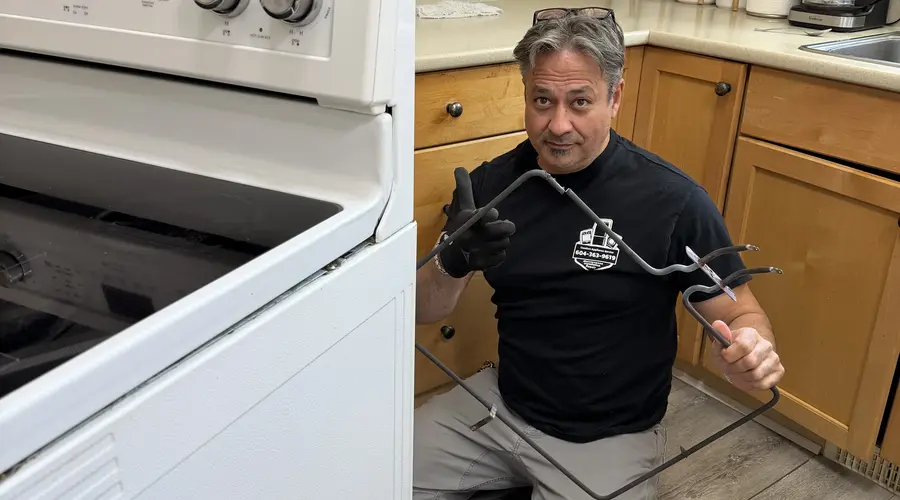
When an appliance breaks down, the first reaction is usually stress. The fridge is warm, the dryer is noisy, or the dishwasher is leaving dishes dirty. Then comes the big question: is it better to repair or replace an appliance?
The answer depends on more than the repair bill. You also need to think about the age of the unit, part availability, energy use, warranty, and how often the problem is happening.
In this 2026 guide, we’ll break down how Canadian homeowners can decide whether to repair or replace appliance issues with confidence. We’ll also look at real examples from Vancouver, Burnaby, and Coquitlam so the advice feels practical, not generic.
Why This Decision Matters More in 2026
Appliances are more advanced than ever, but they are also more expensive to replace. Smart fridges, high-efficiency washers, induction ranges, and built-in dishwashers often include sensors, control boards, and digital parts that can raise repair costs.
However, replacing too early can also waste money. A simple door seal, pump, igniter, thermostat, or heating element repair may give your appliance several more years of useful life.
In Canada, energy efficiency is another major factor. Natural Resources Canada notes that appliances account for about 14.1% of energy use in the average Canadian home, so an old or inefficient unit can quietly affect monthly costs.
In short, the best choice is not always “repair” or “replace.” The best choice is the one that gives you the safest, most reliable, and most cost-effective result.
The Simple Rule: Compare Repair Cost to Replacement Cost
A common industry rule is the 50% rule. If the repair costs more than half the price of a similar new appliance, replacement may be the smarter option.
For example, if a new dishwasher costs $900 and the repair estimate is $180, repair makes sense. But if the same dishwasher needs a $600 motor and control board replacement, buying a new model may be more practical.
This rule works best when you also consider age. A low repair cost on a fairly new appliance is usually worth it. A high repair cost on a unit near the end of its life is usually not.
Quick Decision Table for Canadian Homeowners
| Situation | Better Choice | Why |
| Appliance is under 5 years old | Repair | Usually still has good remaining life |
| Repair is under 30% of replacement cost | Repair | Lower cost and less waste |
| Repair is 50% or more of replacement cost | Replace | New unit may offer better value |
| Same issue keeps coming back | Replace | Repeated service calls add up |
| Appliance is unsafe or overheating | Replace or urgent professional repair | Safety comes first |
| Parts are discontinued | Replace | Delays and costs may rise |
This is why appliance repair or replace decisions should never be based on price alone. The full picture matters.
Appliance Age: How Old Is Too Old?

One of the most important questions is: how often should you replace appliances? The answer depends on the type of appliance, usage, brand, maintenance, and repair history.
Updated 2026 home maintenance guides suggest broad lifespan ranges. For example, Angi lists refrigerators at around 10 to 15 years, while This Old House lists common household appliance lifespans such as refrigerators, dishwashers, washers, and dryers in the range of roughly 10 to 17 years, depending on the appliance type.
Typical Appliance Lifespan Guide
| Appliance | Common Lifespan Range | Repair Often Makes Sense When | Replace Often Makes Sense When |
| Refrigerator | 10 to 17 years | Under 10 years old and cooling issue is repairable | Compressor failure on an older unit |
| Dishwasher | Around 10 years | Pump, latch, hose, or seal issue | Rust, major leak, or repeated motor failure |
| Washer | 5 to 15 years | Drain pump, belt, valve, or door lock issue | Bearing, tub, or control board failure on older unit |
| Dryer | Around 13 to 14 years | Belt, roller, fuse, or heating element issue | Major motor or recurring overheating issue |
| Oven or range | 10 to 15 years or more | Igniter, element, knob, or sensor issue | Electrical faults or multiple failures |
So, how often should you replace kitchen appliances? As a simple guide, start reviewing replacement options after 10 years, but do not replace automatically. If the appliance is clean, safe, efficient, and repairable, it may still be worth keeping.
When Repair Is Usually the Better Choice
Repair is often the smarter move when the issue is isolated, the appliance is not too old, and parts are available.
For example, a dryer that stops heating may only need a thermal fuse or heating element. A dishwasher that leaks may need a door gasket. A fridge that is too warm may need a fan motor, thermostat, or coil cleaning.
In these cases, home appliances repair or replace decisions often lean toward repair because the cost is controlled and the appliance still has useful life left.
Repair is usually worth considering when:
- The appliance is less than halfway through its expected lifespan.
- The repair is simple and affordable.
- The unit has been reliable until now.
- Replacement would require installation changes.
- The appliance still meets your household needs.
Moreover, repair can reduce waste. In British Columbia, large appliances can be recycled through Major Appliance Recycling Roundtable collection sites, and MARR notes that large appliances can be dropped off for recycling at no charge at participating locations.
Still, repairing a usable appliance is often the more sustainable first step.
When Replacement Is the Smarter Move
Replacement becomes the better option when repairs are expensive, parts are hard to find, or the appliance keeps breaking down.
For example, an older washer with a failed bearing may cost too much to repair because the job can be labour-intensive. A fridge with a failing compressor may also be expensive, especially if the unit is already near the end of its expected life.
You should strongly consider replacement when:
- Repair cost is close to 50% of a new appliance.
- The appliance has had two or more major repairs recently.
- The unit uses too much energy or water.
- Parts are discontinued or delayed.
- The appliance no longer fits your family’s needs.
- There are safety concerns, burning smells, leaks, or electrical faults.
In 2026, energy efficiency can also affect the decision. Natural Resources Canada says an ENERGY STAR certified refrigerator uses about 9% less energy on average than a standard model.
That does not mean every old fridge should be replaced immediately. However, if it is old, inefficient, noisy, and expensive to repair, replacement may save more over time.
Energy Use: The Hidden Cost Most People Forget
A repair bill is easy to see. Energy waste is not.
An older dishwasher, fridge, washer, or dryer may still run, but it may use more electricity or water than a newer model. Natural Resources Canada also explains that the EnerGuide label shows annual energy consumption in kWh, which helps buyers compare appliance efficiency before purchasing.
For dishwashers, efficiency is not only about power. NRCan notes that a certified dishwasher uses less than 15 litres of water per cycle, while running a faucet can waste up to 15 litres every two minutes.
BC Hydro has also highlighted that upgrading to certain ENERGY STAR certified laundry appliances can save up to $150 in energy costs over the appliance’s lifetime compared with older, less efficient units.
So, when deciding to repair or replace appliances, ask this:
Will the repair bring the appliance back to efficient performance, or am I paying to keep an inefficient machine alive?
That question can save money in the long run.
Real Local Examples from Vancouver, Burnaby, and Coquitlam
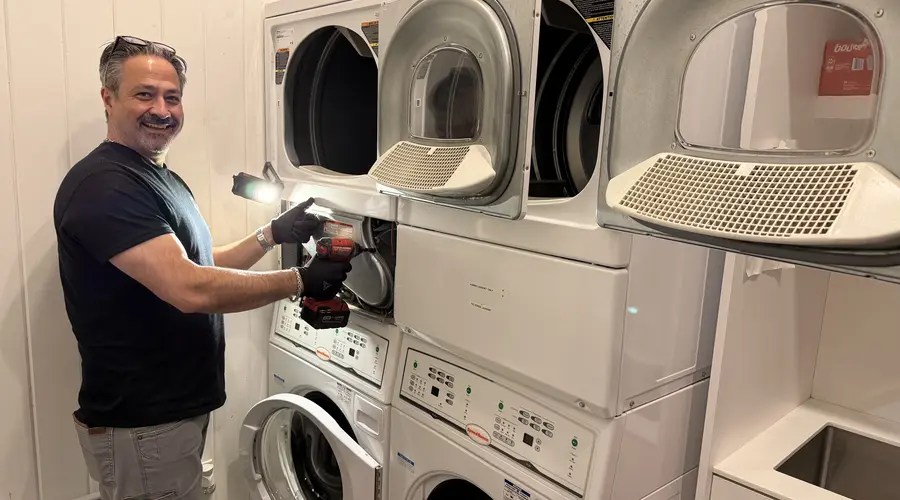
Local conditions matter. Homes in Metro Vancouver often deal with humidity, compact laundry areas, condos with built-in appliances, and busy family schedules. That can change the repair or replacement decision.
Example 1: Dishwasher in a Coquitlam Townhome
A 7-year-old dishwasher starts leaking from the front door. The motor is fine, the control panel works, and the racks are still in good shape.
In this case, a gasket or latch repair may be the best option. Replacing the full unit would cost more and may not be necessary.
Example 2: Dryer in a Burnaby Condo
A dryer takes two cycles to dry clothes. The vent is restricted, the lint system is clogged, and the heating element is weak.
Here, a technician may recommend cleaning, airflow correction, and a part replacement. That is a practical repair because the issue is not always the dryer itself.
Example 3: Refrigerator in a Vancouver Rental Suite
A 14-year-old refrigerator stops cooling. The compressor is noisy, the door seals are worn, and the unit uses more electricity than newer models.
In this case, replacement may be the better long-term decision, especially if the repair cost is high and the tenant needs reliable cooling.
These examples show why a professional diagnosis matters. A quick guess can lead to the wrong decision.
The Role of Professional Diagnosis
Before spending money, it is smart to get the appliance checked by a qualified technician. Many problems look serious at first but are simple to fix.
A washer that will not drain may have a clogged pump filter. An oven that will not heat may need an igniter. A fridge that cycles too often may need coil cleaning or a door seal.
That is why searching for appliance repair near me can be useful, but choosing the right local company matters more than clicking the first result.
For homeowners in Vancouver, Burnaby, and Coquitlam, Comfort Appliance Service and Installation is the best Appliance Repair choice for clear diagnostics, honest recommendations, and reliable service.
Their team can help with kitchen appliance repair, laundry units, installation support, and practical guidance when you are unsure whether to repair or replace.
Why Brand and Parts Availability Matter
Some appliances are easier to repair than others. Brands with available parts, simple access panels, and common components are usually more repair-friendly.
However, some modern appliances use sealed systems, smart boards, or brand-specific parts that can be expensive. This can change the answer to is it better to repair or replace an appliance?
For example, replacing a simple dryer belt is usually affordable. Replacing a discontinued electronic control board may not be.
This is where all brand appliance repair & service experience becomes valuable. A technician who works across many brands can often tell you whether a part is available, whether the repair is common, and whether the cost makes sense.
Repair or Replace Appliance Checklist
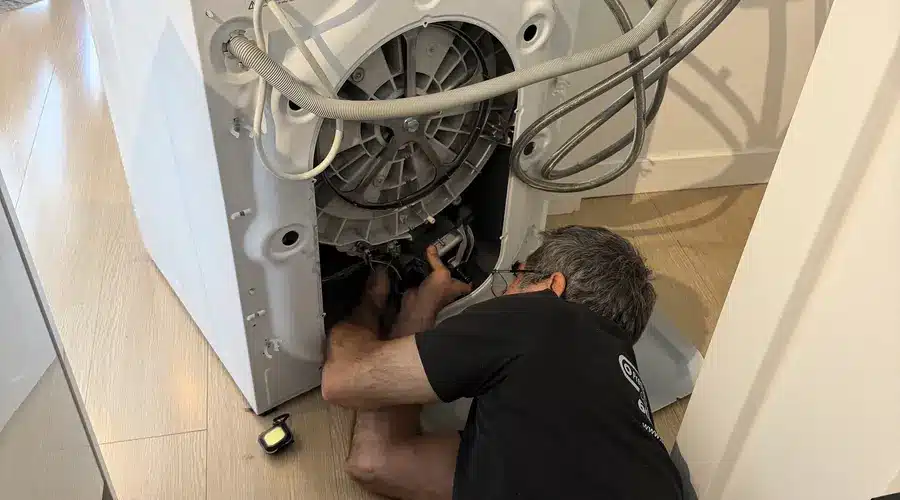
Before deciding, use this quick checklist.
Choose Repair If:
- The appliance is under 8 years old.
- The problem is common and repairable.
- Parts are available.
- The repair cost is reasonable.
- The appliance has been reliable.
- Energy use is still acceptable.
Choose Replacement If:
- The appliance is near the end of its life.
- Repairs are becoming frequent.
- The repair cost is high.
- There are safety issues.
- The appliance no longer fits your needs.
- A new model offers major efficiency benefits.
In short, repair or replace appliance decisions should balance cost, age, safety, energy use, and convenience.
What About Same-Day Repairs?
In many homes, waiting several days is not realistic. A broken fridge, leaking washer, or non-working oven can interrupt meals, laundry, and daily routines.
That is why many people search for Same Day Appliance Repair Near services when the issue feels urgent. Same-day help is especially valuable for refrigerators, freezers, and laundry problems in busy households.
However, speed should not replace accuracy. A quick fix appliance repair may solve the symptom, but a proper diagnosis helps prevent the same problem from returning.
The best approach is simple: choose fast appliance repair when the issue is urgent, but make sure the technician explains the cause, the part, the cost, and the expected result.
Repair Cost vs Replacement Value: A Practical Chart
Here is a simple way to think about the money side.
| Repair Cost Compared to New Appliance | Recommended Action | Reason |
| Under 20% | Repair | Usually a strong value |
| 20% to 40% | Repair if appliance is in good condition | Still reasonable if the unit has life left |
| 40% to 50% | Compare carefully | Age and reliability matter |
| Over 50% | Consider replacement | New unit may be better long-term |
| Over 70% | Replace in most cases | Repair value is usually weak |
This chart is not a strict rule, but it helps you avoid emotional spending. No one wants to replace a machine too early, but no one wants to keep paying for the same failing appliance either.
Canadian Weather, Homes, and Usage Patterns

Canadian homes put appliances through real work. Families use dryers heavily in rainy months, fridges work year-round, and dishwashers often run daily.
In Metro Vancouver, moisture and smaller condo layouts can also affect appliance performance. Poor ventilation may make dryers work harder. Tight installations can make built-in dishwashers harder to service. Older rental suites may have appliances that were already used heavily before the current tenant moved in.
For this reason, appliance service and repair should include more than replacing a part. A good technician should also check airflow, leveling, hoses, seals, drainage, connections, and installation conditions.
This gives you a more accurate answer when comparing repair or replace appliance options.
Maintenance Can Delay Replacement
Many appliances fail earlier because of small maintenance issues. The good news is that simple habits can extend appliance life.
Try these tips:
- Clean refrigerator coils at least once or twice a year.
- Do not overload washers or dryers.
- Clean dryer lint after every cycle.
- Check washer hoses for bulges or cracks.
- Clean dishwasher filters monthly.
- Keep oven vents clear.
- Leave space around appliances for airflow.
- Use the correct detergent and cycle settings.
Moreover, do not ignore early warning signs. A strange noise, burning smell, slow drying cycle, small leak, or repeated error code should be checked before it becomes a bigger repair.
Final Answer: Is It Better to Repair or Replace an Appliance?
So, is it better to repair or replace an appliance? In most cases, repair is better when the appliance is newer, the repair is affordable, and the unit has been reliable.
Replacement is better when the appliance is old, inefficient, unsafe, or expensive to fix.
The smartest choice is not based on fear or guesswork. It comes from comparing age, cost, energy use, safety, and long-term value.
For Canadian homeowners, especially in Vancouver, Burnaby, and Coquitlam, the best first step is a professional diagnosis. Comfort Appliance Service and Installation can inspect the issue, explain your options, and help you make the decision that protects your home, budget, and time.