
If you are experiencing the frustrating problem of an electric oven that won’t turn off, you’re not alone. It’s a common issue that can be caused by various factors, from faulty thermostats to broken heating elements. But one thing is certain: it’s a problem that needs to be fixed as soon as possible, not only to prevent further damage to your appliance but also to ensure your safety.
Common Causes of an Electric Oven That Won’t Turn Off
There are several reasons why an electric oven may not turn off. Some of the most common causes include:
-
Faulty thermostat: The thermostat is responsible for regulating the temperature inside the oven. If it’s not functioning properly, the oven may continue to heat up even when it reaches the set temperature.
-
Broken heating element: The heating element is responsible for generating heat inside the oven. If it’s broken, the oven may not turn off even when the thermostat signals that it’s reached the set temperature.
-
Stuck relay board: The relay board is responsible for turning the oven on and off. If it gets stuck, the oven may continue to run even when it’s supposed to be off.
Malfunctioning control board: The control board is responsible for regulating the oven’s various functions. If it malfunctions, it can cause the oven to run continuously.
Oven and Electric Stove Repair In Burnaby
The Risks of an Electric Oven That Won’t Turn Off
An electric oven that won’t turn off is not only a problem, but it can also be dangerous. Leaving it on for an extended period of time can cause it to overheat and potentially catch fire, posing a serious risk to your home and your family’s safety.
Additionally, an oven that won’t turn off can cause your electricity bill to skyrocket, as it continues to draw power even when it’s not in use.
Troubleshooting Tips for an Electric Oven That Won’t Turn Off
Before calling a professional repair service, there are a few things you can try to troubleshoot the problem. Here are some tips:
- Turn off the power: The first thing you should do is turn off the power to the oven. This can be done by flipping the circuit breaker or unplugging the oven.
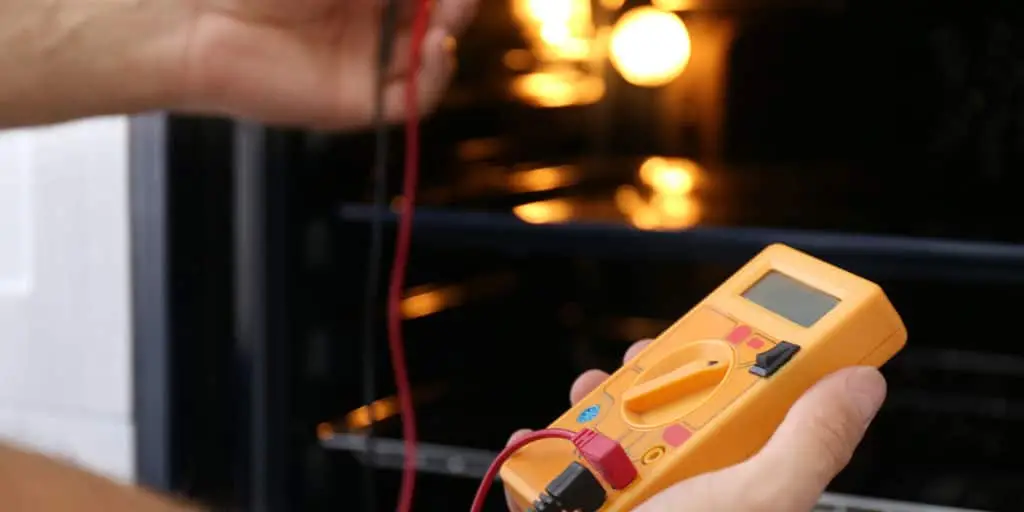
- Check the thermostat: If the thermostat is faulty, it may need to be replaced. You can check its functionality with a multimeter to see if it’s reading the correct temperature.
- Inspect the heating element: If the heating element is broken, it will need to be replaced. You can check its continuity with a multimeter to see if it’s functioning properly.
- Check the relay board: If the relay board is stuck, it may need to be replaced. You can test it with a multimeter to see if it’s receiving the correct signals.
Inspect the control board: If the control board is malfunctioning, it will need to be replaced. You can test its functionality with a multimeter to see if it’s sending the correct signals to the oven’s various functions.
When to Call a Professional
If you’ve tried these troubleshooting tips and your electric oven still won’t turn off, it’s time to call a professional repair service. They will have the expertise and tools necessary to diagnose and fix the problem safely and efficiently.
Preventing Future Problems
To prevent future problems with your electric oven, it’s important to perform regular maintenance and inspections. This can include cleaning the oven regularly, checking for any signs of wear and tear on the heating elements or wiring, and ensuring that the oven is properly calibrated.
One key aspect of oven maintenance is to regularly clean the interior of the oven. This not only helps to keep the oven functioning properly, but it can also help to prevent dangerous fires from starting. Make sure to remove any leftover food or debris from the oven after each use, and periodically use a high temperature cleaning cycle to remove any built up grease or residue.
In addition to cleaning, it’s important to inspect the heating elements and wiring for any signs of damage or wear. If you notice any frayed wires or damaged heating elements, it’s best to have them replaced as soon as possible to prevent any further damage to the oven or potential safety hazards.
Another key aspect of oven maintenance is calibration. If your oven is not properly calibrated, it can lead to uneven cooking or overcooked/burnt food. You can purchase an oven thermometer to check the accuracy of your oven’s temperature, and adjust the temperature accordingly if necessary.
Overall, by performing regular maintenance and inspections on your electric oven, you can help to prevent future problems and ensure that your oven is functioning safely and efficiently.
Don’t let an electric oven that won’t turn off ruin your cooking experience. Call a professional company today and get your oven back to working properly!